




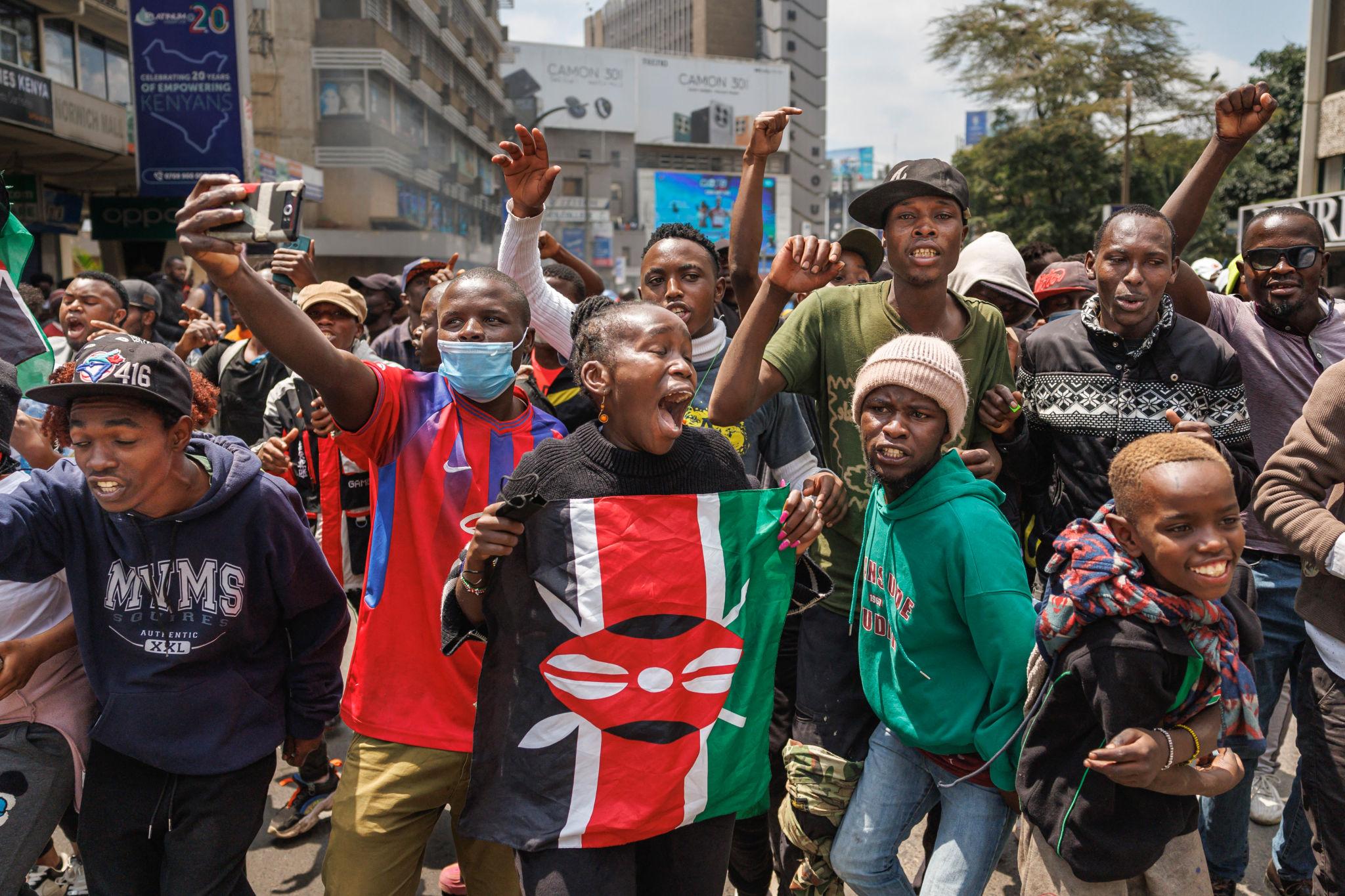
There is a quiet misunderstanding that often shapes how power behaves—and how citizens respond to it.
It is the idea that government resources are gifts.
That roads are favors.
That hospitals are generosity.
That development is charity delivered from above.
But this belief, once accepted, changes everything. It turns citizens into recipients instead of owners. It transforms leaders into benefactors instead of servants. And slowly, it erodes the very foundation of democracy.
Because the truth is far simpler—and far more powerful:
Government resources are not gifts. They are drawn from the people.
Where Government Wealth Really Comes From
Every functioning state is built on a flow of resources that originates from its citizens.
- Taxes collected from workers and businesses
- Revenues from natural resources and public assets
- National wealth generated through collective effort
These are not abstract concepts. They are the product of daily life:
- a trader paying VAT
- a salaried worker contributing to income tax
- a small business paying licenses and fees
- a nation leveraging its land, minerals, and infrastructure
In other words, the government does not create wealth in isolation.
It manages wealth that already belongs to the people.
The Shift From Ownership to Dependency
When citizens begin to see public services as favors, something subtle but dangerous happens.
They stop demanding.
They start thanking.
They hesitate to question leaders who are, in reality, managing their own resources. They celebrate what should be standard. They accept what should be accountable.
And leadership, in such an environment, begins to shift:
- From stewardship to control
- From accountability to authority
- From service to entitlement
But democracy was never designed to function that way.
The Government as an Extension of the People
At its core, government is not an external force. It is not separate from the population.
It is an extension of the people’s collective will.
This is not just philosophy—it is the foundation of modern governance, reflected in democratic systems around the world. The idea echoes through political thought, from thinkers like John Locke, who argued that governments derive their legitimacy from the consent of the governed, to contemporary constitutional frameworks that define power as delegated, not inherent.
When people vote, they do not surrender ownership.
They delegate responsibility.
And delegation comes with conditions:
- transparency
- accountability
- responsiveness
Accountability Is Not Disrespect—It Is a Right
There is often a misconception that questioning leaders is an act of defiance or ingratitude.
But in a democracy, accountability is not rebellion.
It is responsibility.
When citizens ask:
- How is public money being spent?
- Who benefits from national projects?
- Why are decisions made without consultation?
They are not disrupting governance.
They are participating in it.
Because if the people fund the system, then the system must answer to them.
Anything less is not leadership.
It is control without consent.
Transparency: The Bridge Between Power and Trust
Trust in government does not come from speeches.
It comes from visibility.
People trust systems they can see:
- budgets that are open and understandable
- procurement processes that are fair and competitive
- decisions that are explained, not imposed
Transparency is not a luxury.
It is the bridge that connects power to legitimacy.
Without it, suspicion grows.
And where suspicion grows, stability weakens.
Public Participation: Beyond Symbolism
True governance does not happen behind closed doors.
It requires the inclusion of those who are affected by decisions.
Public participation is not:
- a formality
- a checkbox
- a political performance
It is the mechanism through which citizens shape the direction of their own resources.
When people are excluded from decision-making:
- policies lose relevance
- projects lose efficiency
- trust disappears
But when people are included:
- solutions become grounded
- accountability strengthens
- ownership is reinforced
Leadership as Stewardship
The role of leadership is often misunderstood.
Leaders are not owners of the system.
They are caretakers of a trust.
They are given temporary authority to:
- manage resources
- make decisions
- serve the public interest
But that authority is conditional.
It depends on:
- integrity
- accountability
- alignment with the needs of the people
When leaders begin to act as though public resources belong to them, they do not just fail politically.
They violate the very principle that gave them power.
Reclaiming the Narrative
For democracy to function as intended, citizens must reclaim a simple but transformative idea:
We are not beneficiaries of the government.
We are its source.
This shift in thinking changes everything.
It turns:
- gratitude into expectation
- silence into questioning
- distance into engagement
And it reminds both citizens and leaders of a fundamental truth:
The government does not stand above the people.
It stands because of them.
Final Reflection
In simple terms, the relationship is clear:
The people fund the system.
The system serves the people.
Anything that reverses this order is not governance—it is distortion.
And once that distortion is accepted, accountability fades, participation weakens, and power begins to drift away from its rightful source.
But when citizens remember their role—not as spectators, not as recipients, but as owners—then democracy regains its strength.
Because in the end, the most powerful realization a society can have is this:
Nothing given by the government is a favor.
It is a return.
