



Grief is heavy enough on its own.
It does not need paperwork.
It does not need invoices.
And it certainly does not need permission.
Yet for one Kenyan family, grief was held hostage—paused between loss and closure—because of a bill.
A Body Held Back
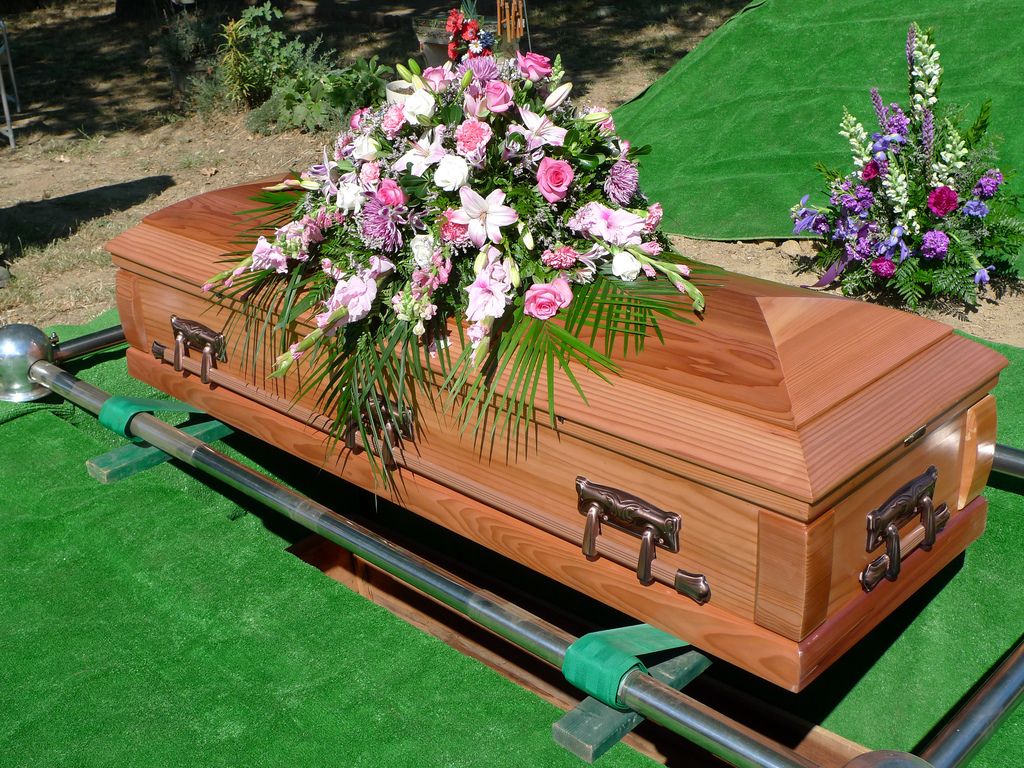
At Kenyatta University Teaching Referral Hospital, the body of Roselyn Mukoko Aura remained in detention.
Not for medical reasons.
Not for investigation.
But for debt.
An outstanding hospital bill of KSh 561,502 stood between a family and their final goodbye.
Days stretched.
Pain deepened.
Closure delayed.
Because somewhere along the way, a line had been crossed—where a human body was treated not as a person who had lived, but as leverage for payment.
The Court Speaks—Clearly, Firmly
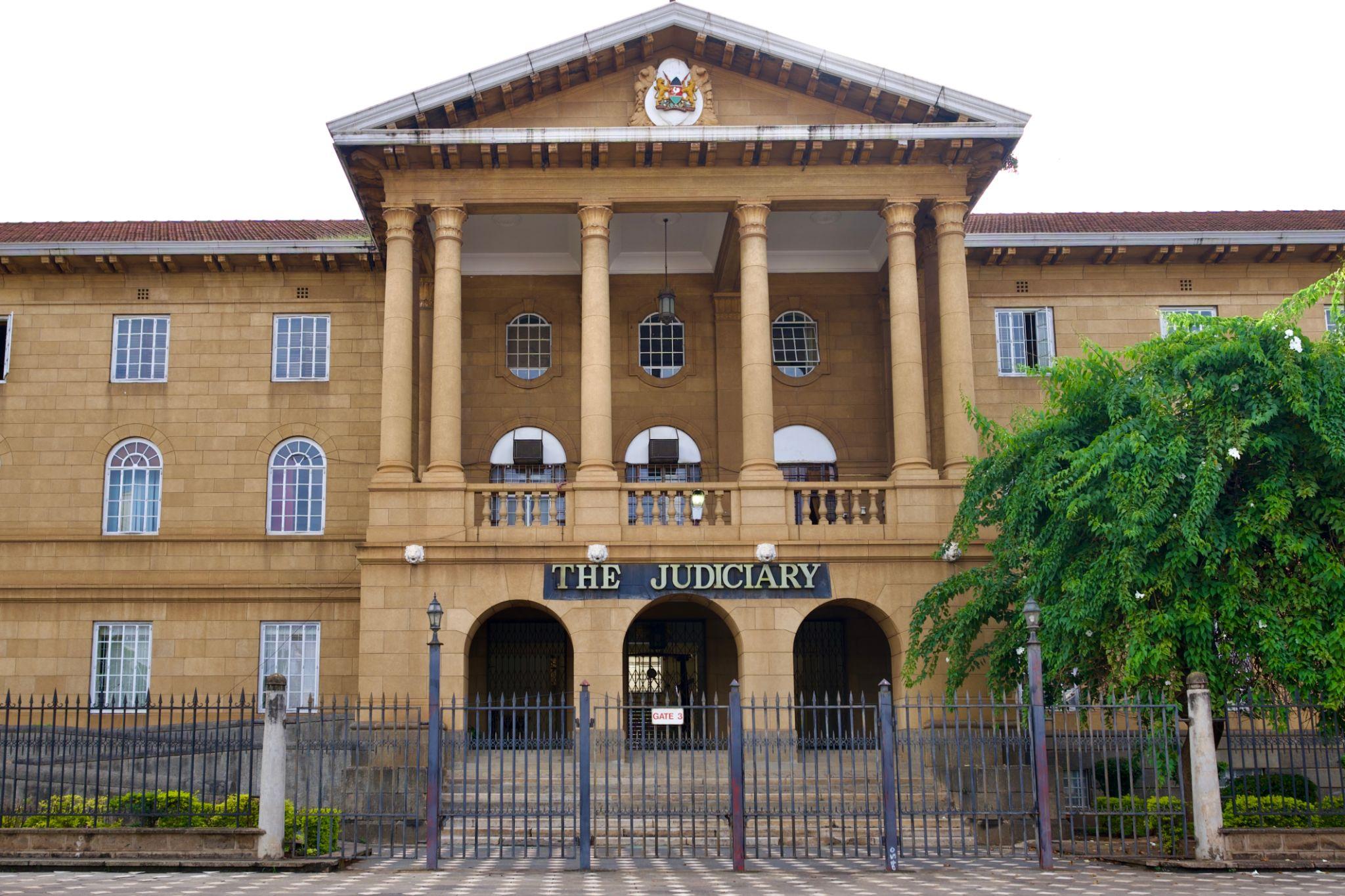
The High Court intervened.
And its message was not complicated.
A dead body is not property.
It is not a commodity.
It cannot be used as security.
Justice L N Mugambi dismissed the hospital’s preliminary objections without hesitation. The continued detention of the body, the court held, served no lawful purpose.
Instead, it did something else:
It inflicted psychological suffering on the bereaved family.
It undermined dignity—both of the deceased and the living.
When dignity is denied in death, it wounds the living twice.
The court ordered the immediate and unconditional release of the body.
No conditions.
No negotiations.
No delays.
The Dangerous Logic of Debt
Let us be honest—hospitals operate under pressure.
Bills must be paid.
Services must be sustained.
Systems must function.
And the court did not deny that reality.
The hospital retains the right to recover its money through lawful means.
But here lies the line that must never be crossed:
Debt is financial. Dignity is human. The two cannot be traded.
Holding a body as collateral does not settle a debt—it compounds a tragedy.
The Weight of Waiting
For families, burial is not just a ritual.
It is a release.
A final act of love.
A way of saying, “We have done right by you.”
To delay that process is to trap people in a painful in-between:
Not fully grieving.
Not fully healing.
Not fully moving forward.
Every extra day becomes a reminder—not just of loss, but of helplessness.
A System Tested by Compassion
This case forces a difficult question:
What happens when systems forget the humanity they are meant to serve?
Because policies without compassion become cold.
Procedures without empathy become cruel.
And enforcement without limits becomes abuse.
The law, in this instance, stepped in—not just as a rulebook, but as a moral compass.
A Line Worth Remembering
A hospital may claim a bill—but it can never claim a body.
Justice Beyond the Courtroom
This ruling is not just about one family.
It is about setting a boundary.
A clear, unmistakable boundary that says:
There are things money cannot hold.
There are lines institutions cannot cross.
There are moments where humanity must override procedure.
The Quiet Power of the Decision
The court did more than release a body.
It restored dignity.
It reaffirmed humanity.
It reminded institutions of their limits.
And perhaps most importantly, it sent a message to every Kenyan:
If something feels deeply wrong—even when wrapped in policy—it probably is.
And the law, when pushed, can still respond.
The Final Reflection
In the end, this was never just about KSh 561,502.
It was about a family’s right to grieve without obstruction.
A person’s right to dignity beyond death.
A society’s responsibility to remain human—even in systems of money and medicine.
Because when all is said and done:
We may measure life in shillings while it lasts—but in death, we measure it in dignity.
And dignity, unlike debt, must never be delayed.
