



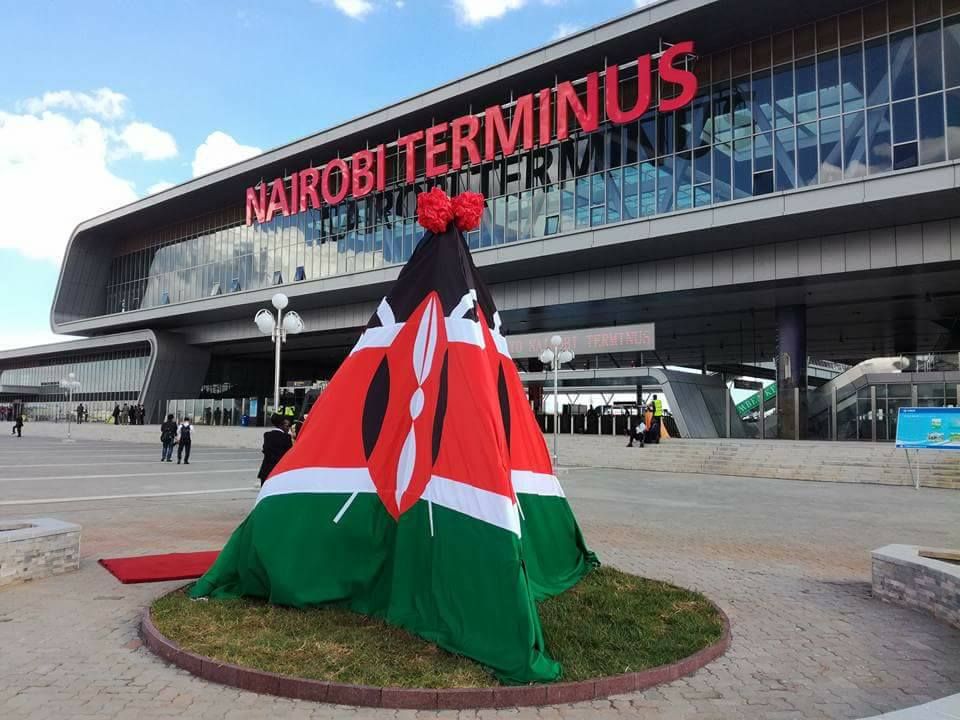
When steel tracks stretch farther than the economy can carry them
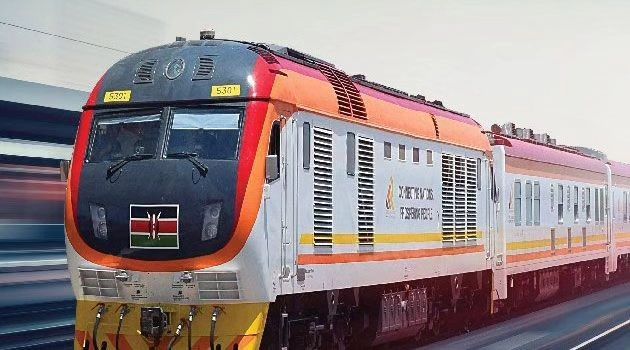
There is something hypnotic about a railway.
Steel glinting under the sun.
Engines roaring through valleys.
A promise that progress has finally arrived.
Kenya’s Standard Gauge Railway (SGR) was born in that promise—linking Mombasa to Nairobi, and later to Naivasha. It was celebrated as a symbol of modernity, a leap into the future.
But today, standing at Naivasha and looking west toward Malaba, a difficult question rises like heat from the tracks:
Is this a journey worth continuing… or a warning we have not yet understood?
The First Stretch: A Dream That Came at a Cost
When the SGR first cut across the country from Mombasa to Nairobi and onward to Naivasha, it was sold as a game changer.
Faster transport.
Lower costs.
Economic transformation.
But beneath the excitement, another story quietly unfolded:
- The cost of construction was widely criticized as being highly inflated compared to similar rail projects globally
- Financing relied heavily on external borrowing, tightening the grip of national debt
- Revenue projections struggled to match the scale of investment
And so the first truth emerged:
When the foundation is expensive, every extension becomes heavier.
The Corridor That Lost Its Pulse
Progress is not just about building something new.
It is also about what gets displaced.
Along the Mombasa–Naivasha corridor, the SGR did not simply add value—it redistributed it, often painfully.
What changed?
- Thousands of truck drivers and small logistics operators saw their livelihoods shrink as cargo was pushed toward rail
- Businesses that depended on road traffic—fuel stations, eateries, repair shops—experienced declining activity
- Flexibility in transport has been reduced, as rail systems are less adaptable than road networks
The result?
A modern railway… but a struggling ecosystem around it.
Progress, it turns out, can be selective.
The Illusion of Efficiency
Railways are efficient—when they are full.
But efficiency collapses when:
- Cargo volumes are inconsistent
- Logistics coordination is weak
- Alternative transport remains competitive
The SGR has faced exactly this tension.
Instead of naturally attracting cargo, policies at times had to push freight toward the railway, raising concerns about market distortion.
When a system must be forced to succeed, it raises a deeper question—should it have been built that way at all?
Extending to Malaba: Expanding the Burden
Now comes the proposal to extend the SGR from Naivasha to Malaba.
On paper, it sounds like completion.
In reality, it risks becoming an amplification of existing problems.
Why it may not make economic sense:
- High construction costs over challenging terrain
- Uncertain demand for cargo volumes
- Dependence on neighboring countries’ readiness, especially Uganda
- Increased borrowing, deepening fiscal pressure
If the current line struggles to fully justify its cost, extending it could be like:
Adding more weight to a bridge already under strain.
The Priorities We Cannot Ignore
While billions are considered for expansion, another Kenya exists—quieter, but urgent.
A Kenya where:
- Teachers wait for salaries
- Junior schools lack adequate funding
- Universities struggle to sustain quality education
- Hospitals face shortages of medicine
- Nurses and doctors endure delayed or insufficient pay
And beyond that:
- Young entrepreneurs wait for incentives to build factories
- Communities need new schools, not just new stations
- Roads—used daily by millions—cry out for repair and expansion
This is where the debate sharpens:
Is it wiser to move goods faster… or to build a society stronger?
The Economics of Inclusion vs. Concentration
Mega projects like the SGR often come wrapped in national pride.
But their economic impact tells a more complex story.
Who benefits most?
- Large contractors
- Financial intermediaries
- Political and business elites tied to procurement
Meanwhile, the average citizen often experiences:
- Indirect or delayed benefits
- Increased tax burden
- Reduced public spending elsewhere
Big projects can create big headlines—
but small investments often create bigger lives.
The Roads Not Taken
Imagine a different allocation of resources:
- Expanding road networks to reach rural economies
- Building and equipping schools across counties
- Strengthening healthcare systems at every level
- Supporting industries that create jobs locally
These are not as glamorous as a railway.
They do not cut dramatic lines across landscapes.
But they do something more powerful:
They touch more lives, more directly.
When Vision Must Meet Reality
There is nothing wrong with ambition.
But ambition without alignment becomes a burden.
The SGR extension to Malaba is not just a technical decision—it is a philosophical one:
- Do we prioritize visibility or viability?
- Scale or sustainability?
- Prestige or people?
Because in the end:
An economy is not measured by the size of its projects—
but by the strength of its people.
Final Reflection: The Track and the Truth
Standing at the edge of Naivasha, the railway does not look like a mistake.
It looks like potential.
But potential alone cannot repay debt.
It cannot employ a nation.
It cannot heal a sick system.
Only wise choices can.
And so the question remains, echoing beyond steel and stations:
Should Kenya build further…
or build wiser?
