



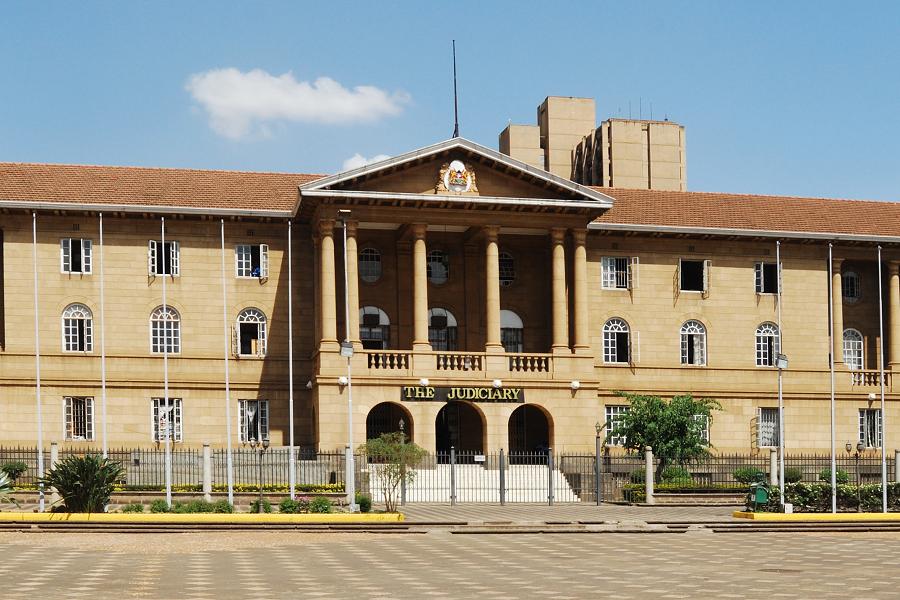
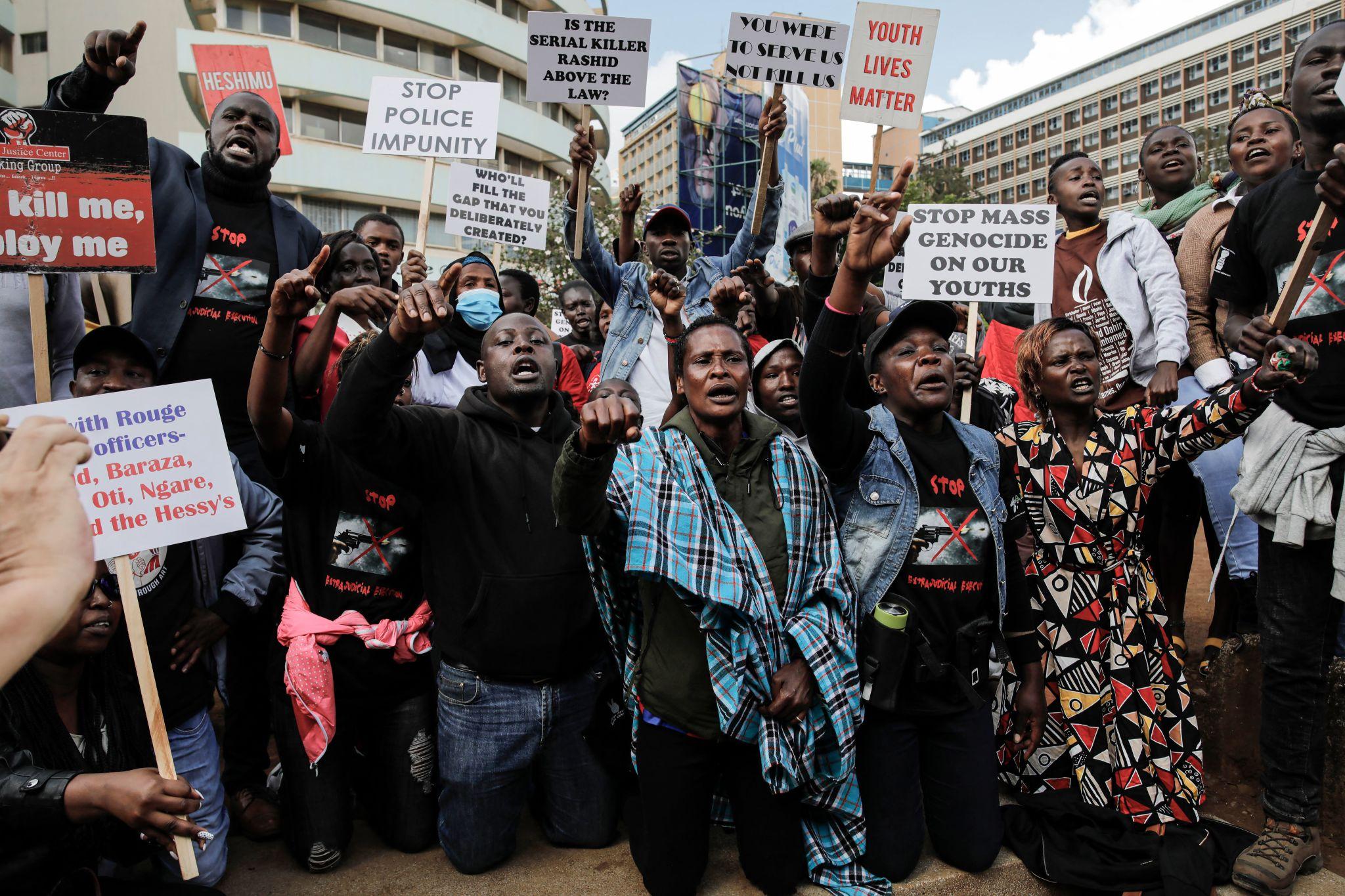
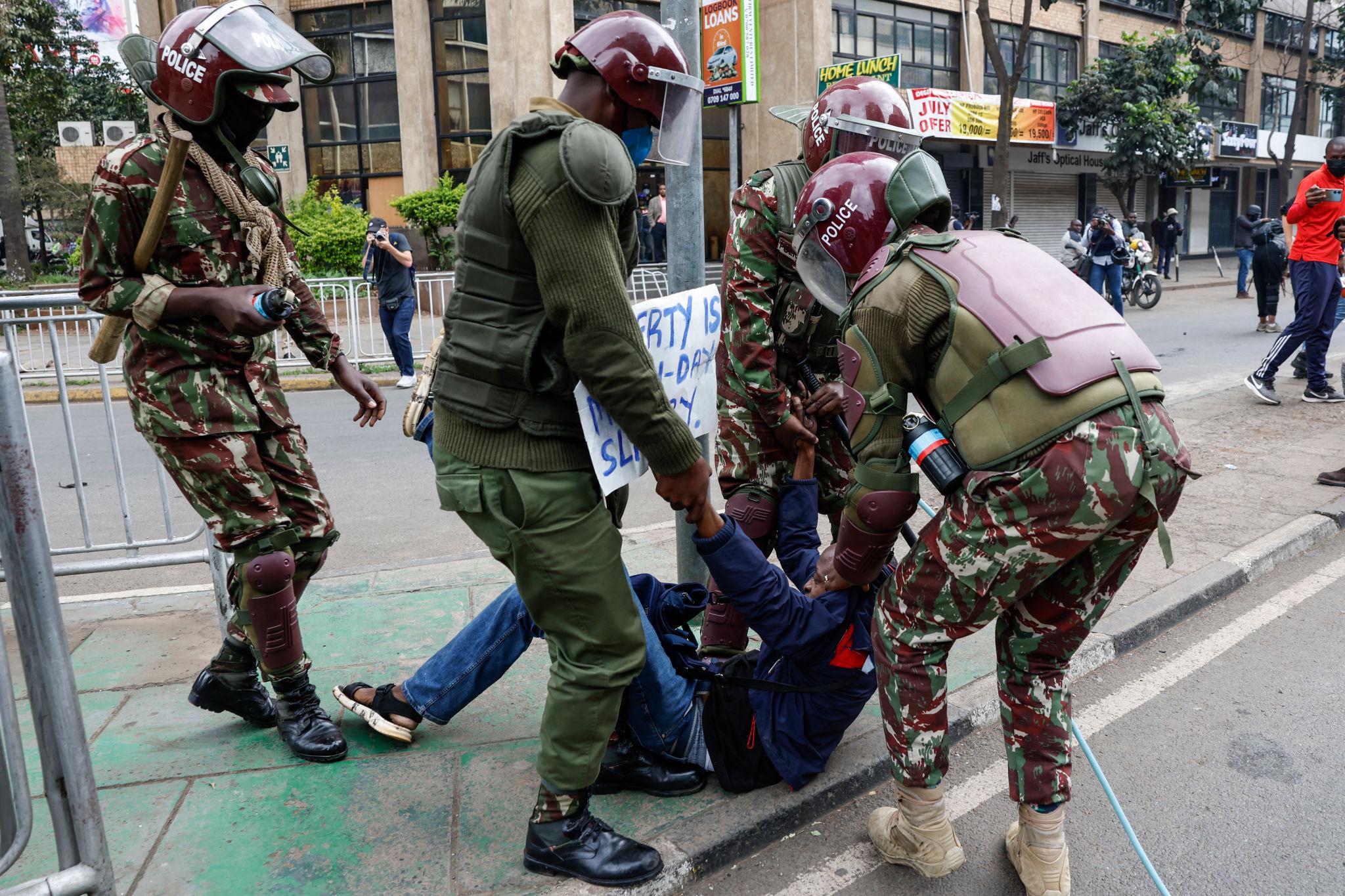
There is a particular kind of fear that grips a person when they are arrested unjustly.
Not just the fear of handcuffs—but the fear of being swallowed by a system too big to fight. A system where uniforms feel untouchable, and power often moves without explanation.
For many wananchi, that fear has long felt justified.
But every so often, the law does something powerful.
It turns around—and holds itself accountable.
A Case That Should Never Have Existed
In Joseph Motari Mosigisi v Kimunai Ole Kimei & Others, several ordinary Kenyans found themselves caught in exactly that nightmare.
They were arrested.
Charged.
Dragged through the criminal justice system.
Their alleged crime?
Hindering a burial.
But when the case finally reached the courtroom, something startling became clear:
There was no evidence.
Not weak evidence.
Not questionable evidence.
No evidence at all.
The court found there was no prima facie case—meaning the prosecution had no legal basis from the very beginning. The case should never have existed. It should never have reached a charge sheet, let alone a courtroom.
When a case has no foundation, every step it takes becomes an injustice.
From Victims to Claimants
What followed is what makes this story different.
Instead of quietly moving on, the victims pushed back.
They filed a civil suit for malicious prosecution and violation of their constitutional rights.
And this time, the system listened.
The court ruled in their favor. Each victim was awarded KSh 800,000—not as a gift, but as recognition of harm. Of time lost. Of dignity bruised. Of rights violated.
It was more than compensation.
It was validation.
The Familiar Escape Attempt
But then came a move many Kenyans have seen before.
When it was time to pay, the public officer behind the wrongful prosecution tried to step back into the shadows of office.
He argued:
“I acted in my official capacity. Let the Government pay.”
On the surface, it sounds reasonable.
But beneath it lies a dangerous idea—that power can act recklessly, then disappear into the faceless entity of “government,” leaving taxpayers to clean up the damage.
If the State always pays, then the individual never learns.
The Court Draws a Line
The courts were unequivocal.
No.
They held that a public officer who acts maliciously or outside the law cannot hide behind their position. The office is not a shield for wrongdoing.
And there was something even more decisive:
The issue had already been settled earlier in the case. The officer had been properly sued in his personal capacity. That door had closed.
The court was now functus officio—its decision on that matter was final and could not be reopened simply because the consequences had become uncomfortable.
The attempt to shift liability was seen for what it was:
A late, improper effort to rewrite the rules after losing the game.
The Court of Appeal upheld the decision.
The appeal was dismissed.
Costs were awarded.
And the message was clear.
Accountability, With a Name and a Face
For a long time, accountability in Kenya has felt distant.
Diffuse.
Abstract.
Unreachable.
But this case does something different.
It gives accountability a name. A face. A consequence.
Power is most responsible when it becomes personal.
No longer can every abuse be absorbed into the vague idea of “government.” Sometimes, the responsibility follows the individual who made the decision.
And that changes everything.
What This Means for the Ordinary Mwananchi
This is not just a legal victory.
It is a signal.
If you are arrested without a proper basis—
If you are prosecuted without evidence—
If your rights are violated—
You are not powerless.
You can challenge it.
You can seek justice.
You can even be compensated.
The system may be slow. Frustrating. Imperfect.
But it is not entirely closed.
A Line Worth Remembering
The law is not only a sword for the powerful—it is also a shield for the patient.
The Courage to Push Back
Cases like this do not happen automatically.
They happen because someone refuses to accept injustice as normal.
Because someone decides that being wronged is not the same as being defeated.
Because someone is willing to endure the long road to accountability.
And in doing so, they widen that road for others.
The Quiet Shift
This case will not fix everything overnight.
But it plants something important:
A precedent.
A warning.
A possibility.
A warning to those in power that actions have consequences.
A possibility for citizens that justice, though delayed, is not always denied.
The Final Reflection
In the end, the story is simple—but powerful.
A group of ordinary Kenyans were wronged.
They refused to stay silent.
They held the system accountable.
And the system, for once, responded.
Not perfectly.
Not instantly.
But decisively.
Impunity survives on silence. Accountability begins with resistance.
And in that quiet courtroom decision, something shifted.
Not just for those who were awarded KSh 800,000—
But for every Kenyan who has ever wondered:
“What can I really do?”
