




There is a quiet power in the human mind that no politician can rig, no system can hack, and no speech can erase.
Memory.
Not the kind that recalls slogans or campaign songs—but the kind that remembers lived reality. The price of unga. The hospital visit that cost too much. The job that never came. The promise that was never kept.
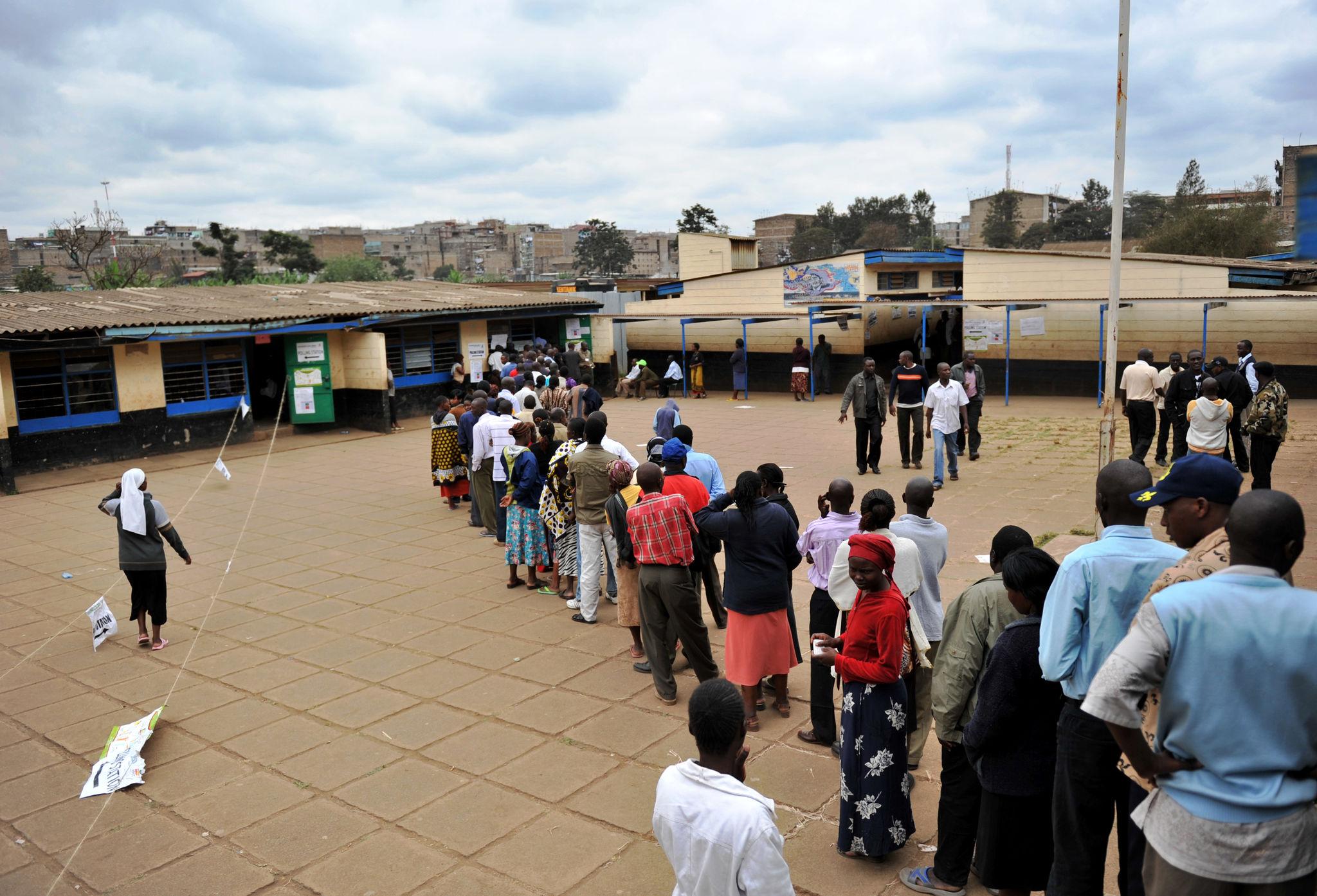
In a country like Kenya, the most honorable act is not just voting.
It is voting with memory, not emotion.
The Temptation of Emotion
Elections are emotional by design.
They come wrapped in hope, packaged in charisma, and delivered through carefully crafted promises. Leaders speak the language of urgency. They ignite identity, tribe, loyalty, and sometimes fear.
Emotion is powerful.
But emotion is also forgetful.
It forgives too quickly.
It overlooks too easily.
It remembers how something felt—but not what actually happened.
And that is where nations lose themselves.
A vote driven by emotion builds moments. A vote driven by memory builds a future.
Memory as a Form of Justice
Voting with memory is not complicated—but it is demanding.
It asks more of the citizen than just showing up.
It asks you to remember commitments made—not just during campaigns, but during crises.
It asks you to measure delivery—not by speeches, but by outcomes.
It asks you to interrogate the gap between what was promised and what was lived.
Because somewhere between the manifesto and reality lies the truth.
And truth, when remembered, becomes accountability.
The Questions That Matter
Voting with memory transforms elections into something deeper—a national audit.
It forces us to ask uncomfortable, necessary questions:
- Has the cost of living improved—or has survival become more expensive?
- Are public resources being managed prudently—or quietly drained?
- Are opportunities expanding—or shrinking into exclusivity?
- Are institutions being strengthened—or slowly undermined?
These are not political questions.
They are personal.
They live in the rent you pay.
The food you buy.
The future you imagine.
Elections as Performance Reviews
Imagine if leadership were treated the way any serious institution treats performance.
You set targets.
You measure results.
You evaluate outcomes.
Then you decide:
Continue—or replace.
In this light, elections stop being emotional contests and become performance reviews on a national scale.
The ballot is not applause—it is an appraisal.
Leaders who demonstrate competence, integrity, and real results earn another term—not as a favor, but as a consequence.
Those who preside over decline, mismanagement, or broken promises are removed—not out of anger, but as a rational correction.
This is not revenge.
It is governance.
Why Accountability Is Not Cruel
Some mistake accountability for hostility.
It is not.
Holding leaders responsible is not an act of bitterness—it is an act of responsibility.
Because when failure is rewarded, failure multiplies.
When incompetence is tolerated, it becomes culture.
When broken promises carry no consequence, they become strategy.
A system that does not punish failure silently promotes it.
Rewarding performance and punishing failure is not personal—it is structural.
It aligns incentives.
It tells every current and future leader:
Results matter. Integrity matters. Delivery matters.
The Human Side of Policy
Behind every statistic is a story.
A mother choosing between medicine and food.
A graduate refreshing job listings that never change.
A worker watching their salary shrink against rising costs.
These are not abstract policy outcomes.
They are human experiences.
And when we vote with memory, we carry these stories into the polling booth. We refuse to reduce our lives to campaign rhetoric.
A Line Worth Remembering
Democracy does not fail when leaders disappoint—it fails when citizens forget.
The Discipline of Remembering
Voting with memory requires discipline.
It means resisting short-term incentives.
It means questioning sudden generosity during campaign season.
It means recognizing that a gift today cannot erase years of neglect.
Because memory is not just about the past.
It is about protecting the future.
The Nation Corrects Itself
A functioning democracy does not depend on perfect leaders.
It depends on consistent correction.
When citizens reward performance, they encourage more of it.
When they punish failure, they discourage its return.
Over time, this creates a system that improves—not because leaders become saints, but because the cost of failure becomes too high.
A nation does not rise by chance—it rises by correction.
The Choice That Defines Everything
At the end of the day, the ballot paper is simple.
But the decision behind it is profound.
Will you vote for how you felt?
Or for how you lived?
Will you choose promises?
Or performance?
Because in that quiet moment—alone with your vote—you are not just choosing a leader.
You are choosing the kind of country Kenya becomes.
And the future, unlike emotion, has a long memory.
