




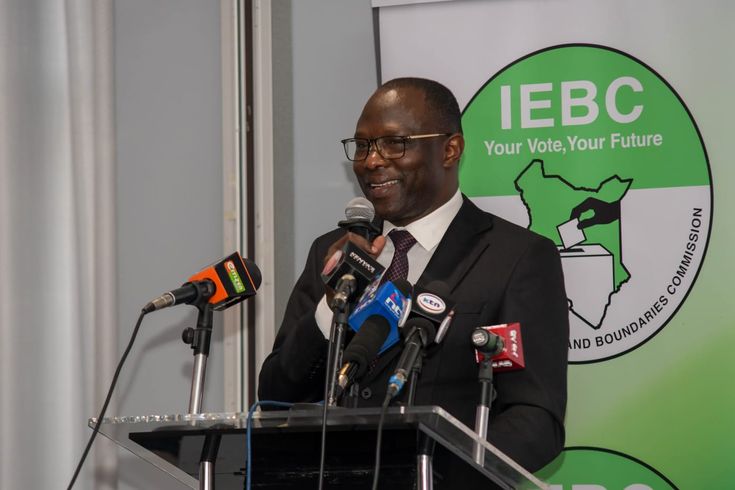
When a Name on a Register Becomes a Warning to a Nation
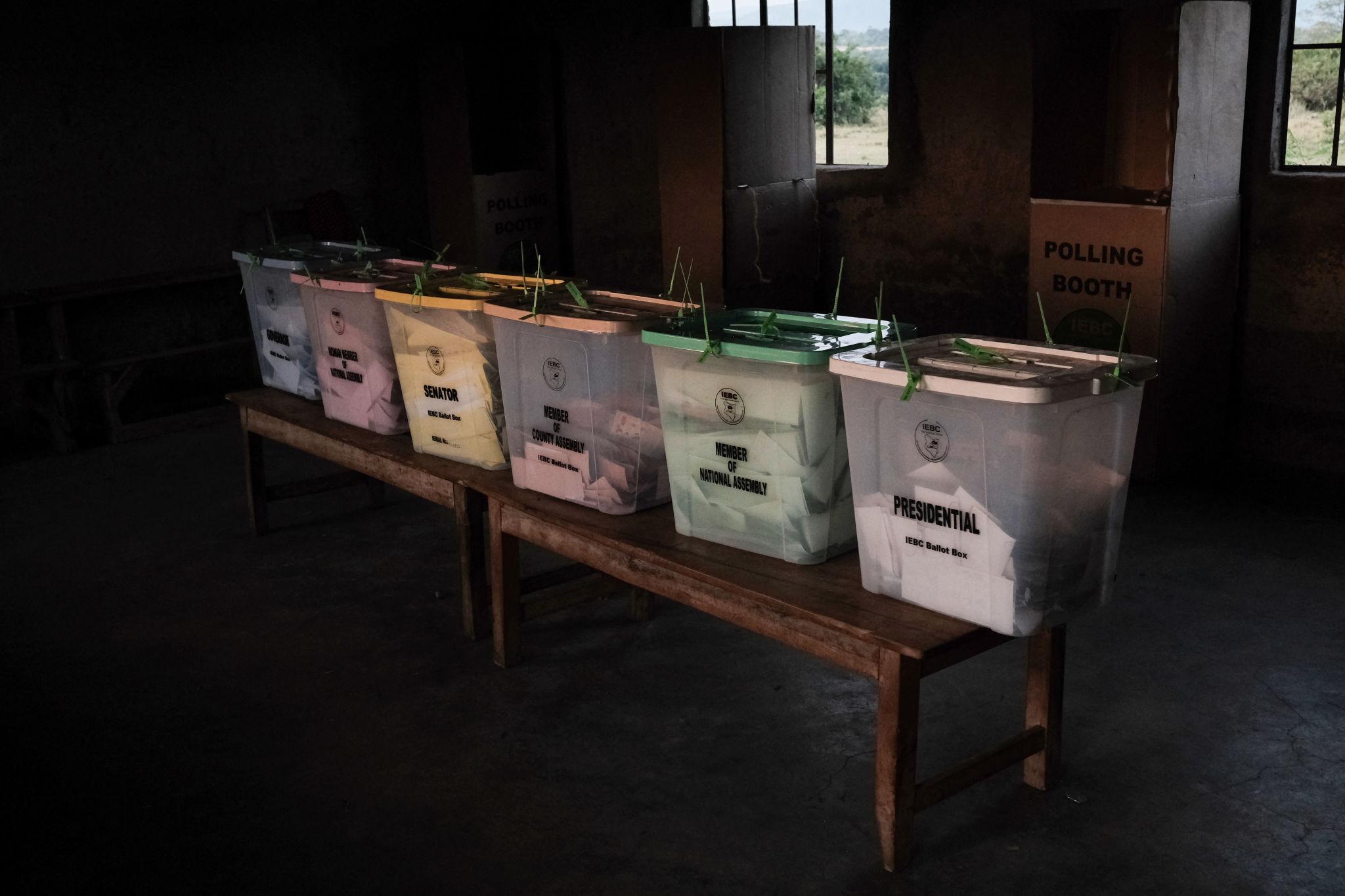

In a functioning democracy, voter registration is meant to be simple, predictable, and secure. It is the quiet foundation upon which the loud drama of elections is built. But sometimes, a single moment at a registration desk can shake that foundation.
That is what happened in Mombasa.
A man—Kioko—walked in to register as a voter, only to be told something impossible:
he was already registered.
Not recently.
Not mistakenly entered twice in the same session.
But registered years earlier—back in 2013.
When Systems Tell Stories, People Did Not Live
There is something deeply unsettling about being told you exist in a system in a way you do not recognize.
Because identities do not duplicate themselves.
Systems do not act on their own.
People design systems. People control them. People manipulate them.
And when a system claims a citizen has already been recorded without their knowledge, the issue is no longer administrative.
It becomes political.
The Quiet Architecture of Electoral Manipulation
Election interference is often imagined as something dramatic—ballot stuffing, visible fraud, chaotic disputes. But the more dangerous form is quieter.
It lives in:
- databases
- registration records
- backend systems
- unnoticed inconsistencies
It does not shout.
It waits.
If one individual can be “pre-registered” without consent, the question naturally follows:
How many others exist in silence?
- How many duplicate or ghost entries lie buried within the voter roll?
- How many identities can be activated, altered, or reassigned when needed?
- How many citizens might arrive one day only to discover that the system has already spoken on their behalf?
This is how democracies are not overthrown—but slowly rewritten.
Trust Is Not Technical—It Is Psychological
The crisis here is not only about data integrity. It is about belief.
A voter roll is more than a list of names. It is a contract between the state and its citizens. It says:
“You exist. You are counted. Your voice matters.”
But when that list becomes questionable, the contract weakens.
And once people begin to doubt the system:
- participation drops
- suspicion rises
- outcomes are contested before they even occur
Because the real election is not just about counting votes.
It is about whether people trust the count.
Data, Power, and the Question of Control
The Kioko case opens another door—one that leads into the world of data governance.
In modern elections, power does not only lie in ballots.
It lies in data:
- biometric records
- identity databases
- population registers
These are the invisible pillars of electoral systems.
Which is why concerns about where and how this data is stored matter deeply.
Questions have been raised about:
- the security of Kenya’s personal data
- The role of private technology firms
- reports suggesting that sensitive biometric data may be stored outside the country, including in places like Dubai
- the involvement of entities such as APIERO Technologies
If true, such arrangements raise difficult questions:
- Who truly controls the data?
- Who has access to it?
- What safeguards exist against misuse?
- And most importantly, who is accountable if something goes wrong?
Because data, once compromised, does not simply return to safety.
It becomes a permanent vulnerability.


The Role of Oversight: Silence Is Not Neutral
At moments like this, institutions matter.
The Office of the Data Commissioner is not just a regulatory body—it is a guardian of public trust. And in a situation where citizens are beginning to question the integrity of their own identities within national systems, silence is not reassuring.
It becomes part of the problem.
Kenyans deserve clear answers:
- Is their data secure?
- Has the voter register been compromised?
- What systems are in place to prevent unauthorized registration?
- Who audits these systems—and how often?
Without transparency, speculation fills the gap.
And speculation, in electoral matters, quickly becomes instability.
The Call for a Forensic Audit
This is why the demand for an independent forensic audit is not excessive—it is necessary.
Both:
- the population register
- and the voter roll
must be examined with precision and independence.
Not a routine review.
Not an internal check.
But a deep, external investigation that can:
- identify inconsistencies
- trace data origins
- detect manipulation patterns
- and restore confidence through truth
Because without verification, reassurance is meaningless.
A Nation Must Not Become a Spectator
Perhaps the most dangerous outcome of scandals like this is not the technical failure.
It is public resignation.
The moment people begin to feel:
- that systems are beyond their control
- that outcomes are predetermined
- that participation does not matter
That is the moment democracy begins to hollow out from within.
Kenyans must not be reduced to spectators in the management—or manipulation—of their own sovereignty.
Because democracy does not disappear overnight.
It fades when people stop believing they have a stake in it.
The Bigger Warning
The Kioko case may be one incident.
But its implications are national.
It is a signal—a warning light blinking in a system that cannot afford even minor doubt.
Because elections in Kenya are not ordinary events.
They carry history, emotion, and risk.
And if the systems behind them are not trusted, then the consequences will not remain contained within databases.
They will spill into society.
Final Reflection: The Cost of Ignoring the Signs
There is a dangerous tendency in politics to dismiss early warnings.
To call them isolated.
To label them exaggerated.
To delay action until the problem becomes unavoidable.
But by then, it is often too late.
The Kioko scandal is not just about one man.
It is about a question that now belongs to the entire country:
Can we trust the system that defines our voice?
And if the answer is uncertain, then the responsibility is urgent.
Because the theft of democracy does not always happen in plain sight.
Sometimes, it begins quietly—
with a name already written where it should not be.


