




Fear, Power, and the Courage to Speak

History is often written in grand events—wars, revolutions, declarations. But sometimes, it hangs quietly in a room full of men who are too afraid to speak.
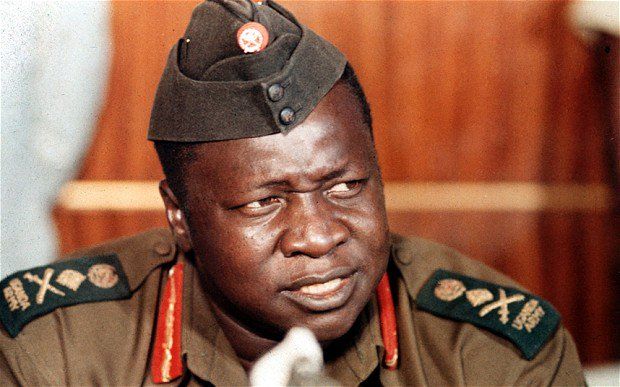
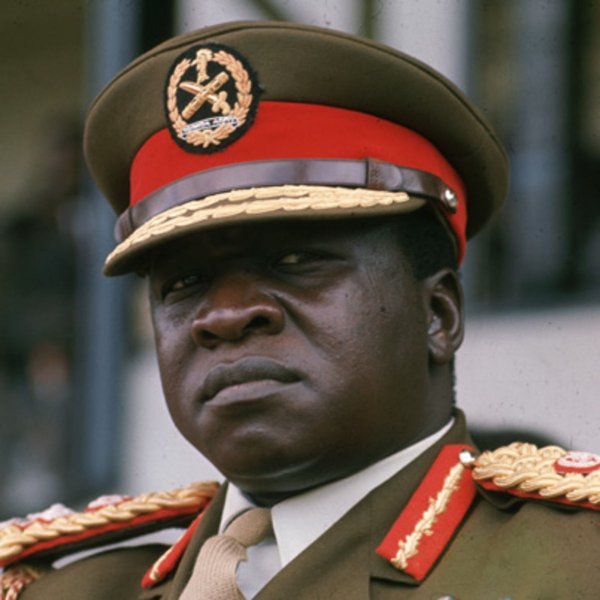
There is a story—half legend, half lesson—about Idi Amin that captures this truth with unsettling clarity.
It begins, as many dangerous ideas do, in absolute confidence.
A Room Full of Power… and Fear
The story goes that one morning, without warning or agenda, Idi Amin summoned his cabinet for an emergency meeting.
No one knew why.
And in regimes where power is absolute, uncertainty is not just uncomfortable—it is dangerous.
Ministers arrived tense, careful, rehearsing neutrality in their minds. Because in such rooms, survival is not about being right.
It is about being agreeable.
Then Amin stood and delivered his idea:
Uganda would be renamed… Idi.
What followed was not discussion.
It was silence.
But not ordinary silence.
This was the kind of silence shaped by fear—the kind where even your thoughts feel like they need permission.
The Sound of Survival: Applause Without Belief
And then, like a spark in dry grass, it started.
A single clap.
Then another.
Then the room erupted into applause—not out of agreement, but out of instinct.
Because in that moment, clapping was not an endorsement.
It was protection.
Voices followed quickly:
- “Brilliant, Your Excellency!”
- “A visionary decision!”
- “This will confuse our enemies!”
It was performance at its highest level—praise without conviction, loyalty without honesty.
And beneath it all was a quiet, dangerous truth:
When fear governs a room, truth is the first casualty.
The One Man Who Didn’t Clap
But in the corner sat a man who did not join in.
Walyamungu.
While others calculated safety, he calculated consequence.
Because beyond the room, beyond the applause, beyond the fear—there was a country. A people. A future.
And sometimes, the weight of that is heavier than fear.
Of course, Idi Amin noticed.
Power always notices silence.
“Why are you not clapping? Do you disagree with me?”
In that question lived a threat that did not need to be spoken.
The room froze again—this time not in confusion, but in anticipation.
Courage, Disguised as a Question
Walyamungu did not challenge. He did not confront.
He did something far more strategic.
He asked a question.
“Your Excellency… do you know a country called Cyprus?”
It was a strange turn. Confusing. Almost absurd.
But sometimes, the safest way to tell the truth… is to walk it gently into the room.
Amin, curious, responded.
“Yes.”
And then came the line that would shift everything:
“The people of Cyprus are called Cypriots…
So if Uganda becomes Idi… we would be called… Idiots.”
The Longest Silence
Time, in that moment, stretched.
Because truth had finally entered the room—and truth, in the presence of unchecked power, is unpredictable.
No one moved.
No one breathed freely.
No one knew what would happen next.
This is the cost of courage.
Not the speaking itself—but the uncertainty that follows it.
When Power Laughs
Then something unexpected happened.
Idi Amin laughed.
Not a forced laugh. Not a political laugh.
A real one.
And just like that, tension dissolved into relief.
“You and I are the only intelligent men in this cabinet! Uganda will remain Uganda.”
The applause that followed this time was different.
It was not survival applause.
It was relief applause.
The Deeper Truth Beneath the Humor
It’s an amusing story on the surface—almost comedic.
But beneath the humor lies a truth that is far more serious:
Fear does not just silence people. It distorts reality.
In that room:
- Intelligent men pretended not to see a flaw
- Leaders abandoned honesty for safety
- A nation’s identity almost changed—not through debate, but through fear
And all it took to challenge it… was one voice.
Why Silence Is Never Neutral
Silence is often mistaken for neutrality.
But in moments like this, silence is not neutral—it is participation.
Every clap that followed that announcement was not just agreement.
It was reinforcement.
Because bad ideas rarely survive on their own.
They survive because:
- People are afraid to question them
- Systems punish dissent
- And silence creates the illusion of consensus
The Power of One Voice
Walyamungu’s courage was not loud.
It was not aggressive.
It was not reckless.
It was precise.
He did not fight power head-on.
He redirected it.
And in doing so, he proved something powerful:
Sometimes, the bravest thing you can do is not to shout—
but to speak at the exact moment silence expects you not to.
A Lesson That Still Matters
This story is not just about Idi Amin.
It is about systems, workplaces, governments, and even everyday life.
Because rooms like that still exist.
Maybe not with dictators.
But with bosses.
With leaders.
With communities.
Spaces where:
- People nod instead of question
- Agree instead of think
- Stay silent instead of risk discomfort
And in those spaces, the same rule applies:
The silence of good people gives bad ideas room to grow.
Final Thought: Courage Is Contagious Too
Fear spreads quickly.
But so does courage.
It only takes one person to shift the atmosphere of a room.
One person to ask,
“Wait… does this actually make sense?”
And sometimes, that one moment is the difference between:
- A mistake and a decision
- A disaster and a correction
- Silence and truth
So yes, fear can make even strong people quiet.
But history—real history—is often changed by the one person who decides:
“Not this time.”


