



The Cost of Distance Between Leaders and Citizens

There are moments in a country’s life when a single revelation feels heavier than the numbers it carries. Not because of the figure itself—but because of what it represents.
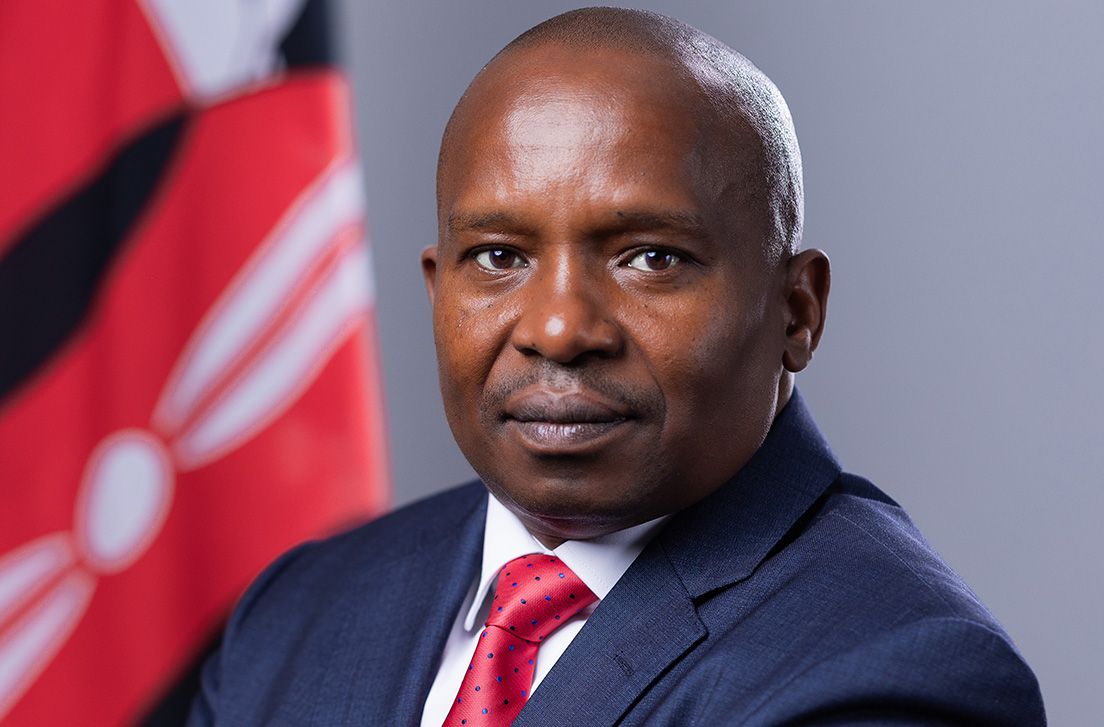
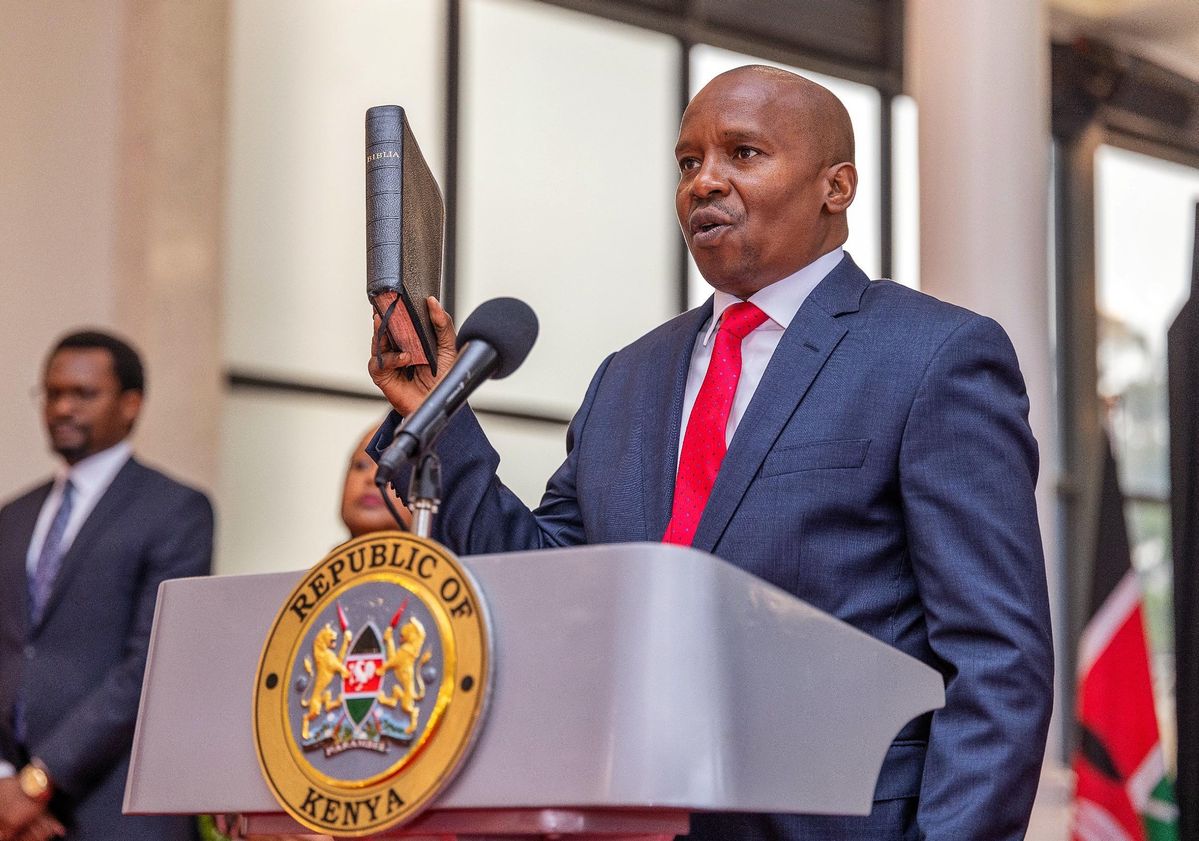
Reports that the current deputy president, Kithure Kindiki, spent approximately KSh 8 million in a single day on helicopters and flowers have stirred more than just political debate. They’ve triggered something deeper—something emotional, something personal.
Because this is not just about spending.
It’s about distance.
A Question That Refuses to Go Away
During a parliamentary session scrutinizing expenditure in the Deputy President’s office, the details emerged: repeated helicopter trips—many reportedly to Tharaka Nithi, his home county.
And the question that followed was simple, almost obvious:
Why?
Not why a leader would want to go home. That’s human. That’s understandable.
But why use millions of shillings in public funds to do something that could be done at a fraction of the cost?
The journey from Nairobi to Tharaka Nithi County is not inaccessible. It is not cut off by conflict or disaster. It is a route that thousands of ordinary Kenyans travel—by bus, by car, sometimes under far more difficult conditions.
So when helicopters become the default, not the exception, it stops being about convenience.
It becomes about priorities.
The Optics of Excess in a Time of Strain
Context matters.
And right now, the Kenyan context is heavy.
Families are tightening budgets to afford basic food.
Transport costs continue to stretch already thin incomes.
Young people are navigating unemployment with resilience that often goes unnoticed.
In such an environment, news of millions spent in a single day—on transport and non-essential items like flowers—does not land as neutral information.
It lands as a disconnect.
Because leadership is not just about decisions, it is about symbolism.
Every action communicates something:
- What matters
- What is valued
- What is considered urgent
And when public funds are used in ways that appear excessive, the message many citizens receive is this:
“Your struggle is not fully understood.”
The True Cost Is Not Always Financial
KSh 8 million is a significant amount. But the deeper cost may not be the money itself.
It is the erosion of trust.
Trust is the invisible currency that holds governance together. Without it, even the best policies are met with skepticism. Even genuine efforts are questioned.
And trust is fragile.
It is not lost in one dramatic moment. It fades gradually:
- Through repeated signals of imbalance
- Through decisions that feel disconnected from lived reality
- Through a growing perception that leadership operates in a different world
When citizens begin to feel that public office is being used for private comfort, something shifts.
Engagement declines.
Cynicism grows.
Accountability becomes harder to enforce—not because systems fail, but because belief does.
Convenience vs. Responsibility
There is no doubt that high-ranking officials often operate under demanding schedules. Security concerns, time constraints, and national duties can justify certain logistical decisions—including air travel.
But justification must always be balanced with restraint.
Because public office is not just about what one can do.
It is about what one should do.
The difference between the two is where leadership is truly tested.
A motorcade may take longer. It may be less comfortable. It may require more planning.
But it also sends a message:
- That resources are respected
- That public funds are not taken lightly
- That leadership is willing to operate within the same realities as the people it serves
The Bigger Conversation Kenya Needs
This moment is not just about one office, one official, or one expenditure report.
It is about a broader question:
What kind of leadership culture do we want?
One where:
- Efficiency is balanced with accountability
- Convenience does not override responsibility
- Public resources are treated with the same care that citizens apply to their own limited incomes
Or one where:
- Excess becomes normalized
- Scrutiny is dismissed
- And public frustration is seen as noise rather than a signal
Because the anger being expressed is not just about helicopters.
It is about fairness.
Accountability Is Not Opposition—It’s Duty
In any functioning democracy, questioning how money is spent is not an act of hostility.
It is an act of participation.
Citizens are not asking for perfection. They are asking for:
- Transparency
- Justification
- Alignment between leadership actions and public realities
And when those expectations are not met, the response should not be defensiveness.
It should be reflection.
Final Thought: The Distance That Matters Most
The physical distance between Nairobi and Tharaka Nithi can be measured in kilometers.
But the distance that concerns many Kenyans today is not geographic.
It is relational.
It is the gap between:
- Leaders and citizens
- Policy and lived experience
- Power and accountability
And that distance cannot be closed with helicopters.
It can only be closed with trust, humility, and responsible leadership.
Because in the end, the true measure of public service is not how efficiently leaders move—
But how closely they remain connected
to the people they serve.