







We often use metaphors to understand the complex world of human relationships. We speak of “anchors,” “rock stars,” and “black holes.” But one of the most practical and vivid metaphors for human connection comes from the humble workshop: the distinction between the Screw and the Nail.
At first glance, both serve a similar purpose: to fasten things together. But their methods, their long-term impact, and the ease with which they can be removed are worlds apart. Applying this lens to our personal and professional circles can be a game-changer.
The Anatomy of a “Nail” Person
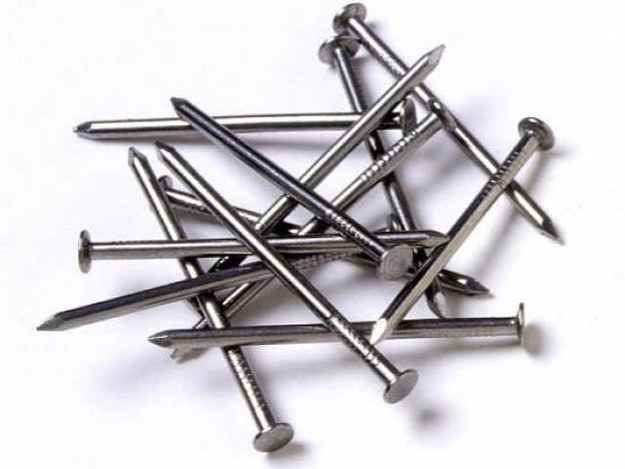

A “Nail” is defined by force and a singular, unyielding approach.
· The Pointed Head: They often lead with a sharp, opinionated, or aggressive point. Their way is the only way, and they are ready to drive that point home, regardless of the landscape.
· Driven by Force: Nails don’t ask for permission; they demand entry. They use the hammer of loud rhetoric, emotional pressure, or sheer stubbornness to insert themselves into situations and lives. Their interactions feel like impacts.
· They Twist and Damage: Because their method is brute force, they often damage the very fabric of the relationship (the “wood grain”). They create splinters—drama, misunderstandings, and hurt feelings—as they force their way in.
· Hard to Remove: This is their most defining and dangerous trait. Once a Nail is in your life, extracting it is a destructive process. It involves prying, fighting, and often leaves a permanent, gaping hole. The process of removing a toxic “Nail” person from your life is exhausting and emotionally costly, leaving you with lasting scars.
Nails are the friends who create drama then refuse to leave, the colleagues who bulldoze over collaboration, and the family members who use guilt as a hammer. They are high-maintenance and low-reward.
The Elegant Design of a “Screw” Person

A “Screw” person, in contrast, is defined by logic, adaptability, and strength.
· The Logical Head: They have a clear, designed “head”—a mind that is receptive to the right “tools.” You can communicate with them. They listen, process, and engage in a two-way exchange. They are driven by reason, not just raw force.
· The Adaptive Threads: This is their genius. Their personality is not a blunt spike, but a series of spiraled threads. They don’t force their way in; they adapt to the situation, turning and navigating the complexities of a relationship. They find purchase and connection through understanding, not domination.
· They Build Stronger Bonds: The threaded design of a screw means it has far more surface area connecting with the wood. A relationship with a “Screw” person is therefore deeper, more resilient, and able to withstand much greater pressure. It’s a bond of mutual respect and intertwined effort.
· They Can Be Removed with Grace: If a path diverges or a relationship must change, a “Screw” person can be navigated out with respect and care. There’s a clear, logical process for disengagement. It might still be sad or difficult, but it doesn’t have to be destructive. The hole they leave is neat, and the “wood”—your life—remains largely intact, ready for a new, healthy connection.
Screws are the friends who talk through problems, the mentors who offer guidance instead of commands, and the partners who adapt and grow with you. They are the builders and the stabilizers.
Curating Your Personal Workshop
The lesson is clear: Be a Screw. Surround yourself with Screws.
1. Audit Your Circle: Take a quiet moment to consider the people you invest the most time and energy in. Do they force their way into your decisions? Do they leave you feeling splintered and drained (Nails)? Or do they build you up, creating strong, flexible bonds that can handle life’s twists and turns (Screws)?
2. Become a Better Tool Yourself: Cultivate the qualities of a Screw in your own life. Practice listening before driving your point home. Be adaptable. Use logic and empathy as your guiding threads. Strive to be someone who strengthens situations, not one who dominates and damages them.
3. Don’t Be Afraid to Reorganize the Toolbox: It is not only okay but essential to gently distance yourself from the “Nails” in your life. The temporary discomfort of this process is far better than the long-term structural damage it will cause.
In the grand construction project of your life, you are both the architect and the carpenter. The quality of your materials—the people you choose to fasten to your journey—will determine the strength, beauty, and resilience of the final structure. Choose the thinkers, the adapters, the builders. Choose the Screws. Your future self will thank you for building a life that is not just held together, but wonderfully and gracefully crafted.


