






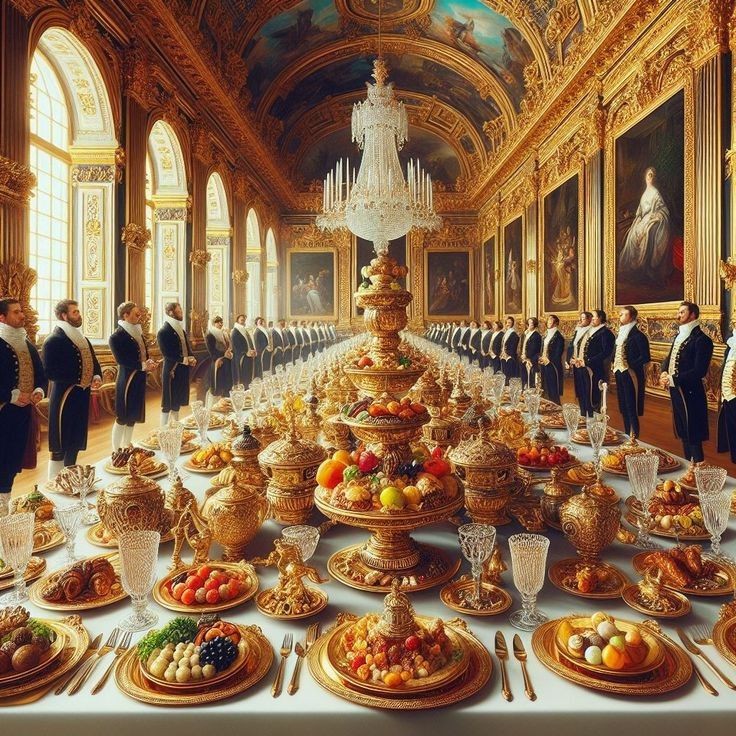
Once upon a time, in a grand and bustling kingdom, there lived a wealthy man who was known for his immense riches but also for his arrogance and lack of compassion. He resided in a magnificent palace adorned with gold and precious stones, a symbol of his vast wealth and power. Despite his opulence, the rich man often looked down upon those less fortunate, believing that their poverty was a result of their own failings.
One day, as he was surveying his lands, he noticed a poor man walking by. This man, though dressed in tattered clothes, had a serene and content expression on his face. Intrigued and somewhat irritated by the poor man’s apparent happiness, the rich man decided to test him. He ordered his servants to fill a basket with rotten food and other refuse from the palace kitchens. The stench was unbearable, and the sight of the decaying food was enough to make anyone turn away in disgust.
The rich man summoned the poor man to his palace and handed him the basket. “Take this,” he said with a sneer, “and do with it as you will.” The poor man, without a hint of displeasure, accepted the basket with a gracious smile. He bowed respectfully and left the palace, carrying the foul-smelling basket with him.
As he walked through the streets, people turned their heads away, covering their noses to avoid the stench. Yet, the poor man remained unbothered, his smile never wavering. He reached his humble abode, a small, modest hut on the outskirts of the kingdom. There, he carefully emptied the basket, disposing of the rotten food in a compost heap. He then meticulously cleaned the basket until it shone as if it were new.
The poor man had a small garden where he grew beautiful flowers of various colors and fragrances. He lovingly picked the freshest and most vibrant blooms, arranging them artfully in the now-clean basket. The basket, once filled with decay and filth, was now a stunning display of nature’s beauty.


The next day, the poor man returned to the palace, carrying the basket of flowers. He approached the rich man, who was lounging in his opulent garden, and presented the basket to him. The rich man was taken aback. He had expected the poor man to either discard the basket or return it with complaints. Instead, he was greeted with a sight of breathtaking beauty.”Why?” the rich man asked, his voice filled with genuine curiosity. “I gave you a basket full of rotten things, and you brought it back filled with beautiful flowers. Why did you do this?”
The poor man looked at the rich man with kind eyes and replied, “Every human being gives what is in his heart. You gave me what was in your heart, and I have given you what is in mine. What is inside you is what you give out. Be kind always.”
The rich man was silent, reflecting on the poor man’s words. He realized that despite his wealth, his heart had been filled with bitterness and disdain. The poor man, though lacking in material wealth, possessed a heart rich in kindness and love.
From that day forward, the rich man began to change. He started to treat those around him with more compassion and generosity. He understood that true wealth was not measured by material possessions but by the richness of one’s heart. The kingdom flourished under his newfound kindness, and the rich man found a joy he had never known before.
The moral of the story is clear: Kindness is a treasure that everyone can afford. You don’t need to be rich to be kind; all you need is a rich heart. Kindness matters, and it has the power to transform not only your life but the lives of those around you.


