





There are stories you watch…
and then some stories watch you back.
Yesterday, on NTV Kenya, a report aired that did not just disturb—it unsettled something deeper.
Because what is unfolding is no longer just about tragedy.
It is about a pattern.
It is about possibility.
It is about power—and whether truth can survive around it.
The Pattern We Can No Longer Ignore
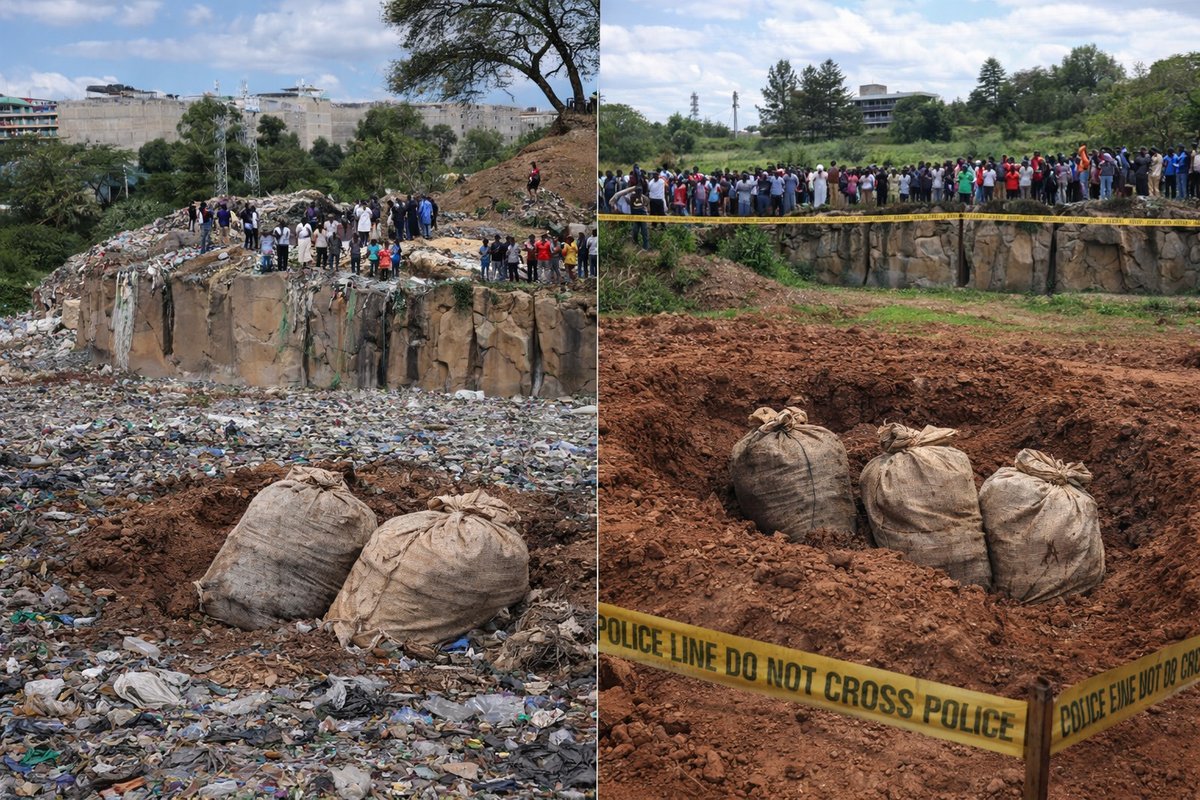
It began in Kware.
Bodies discovered.
Tied in sacks.
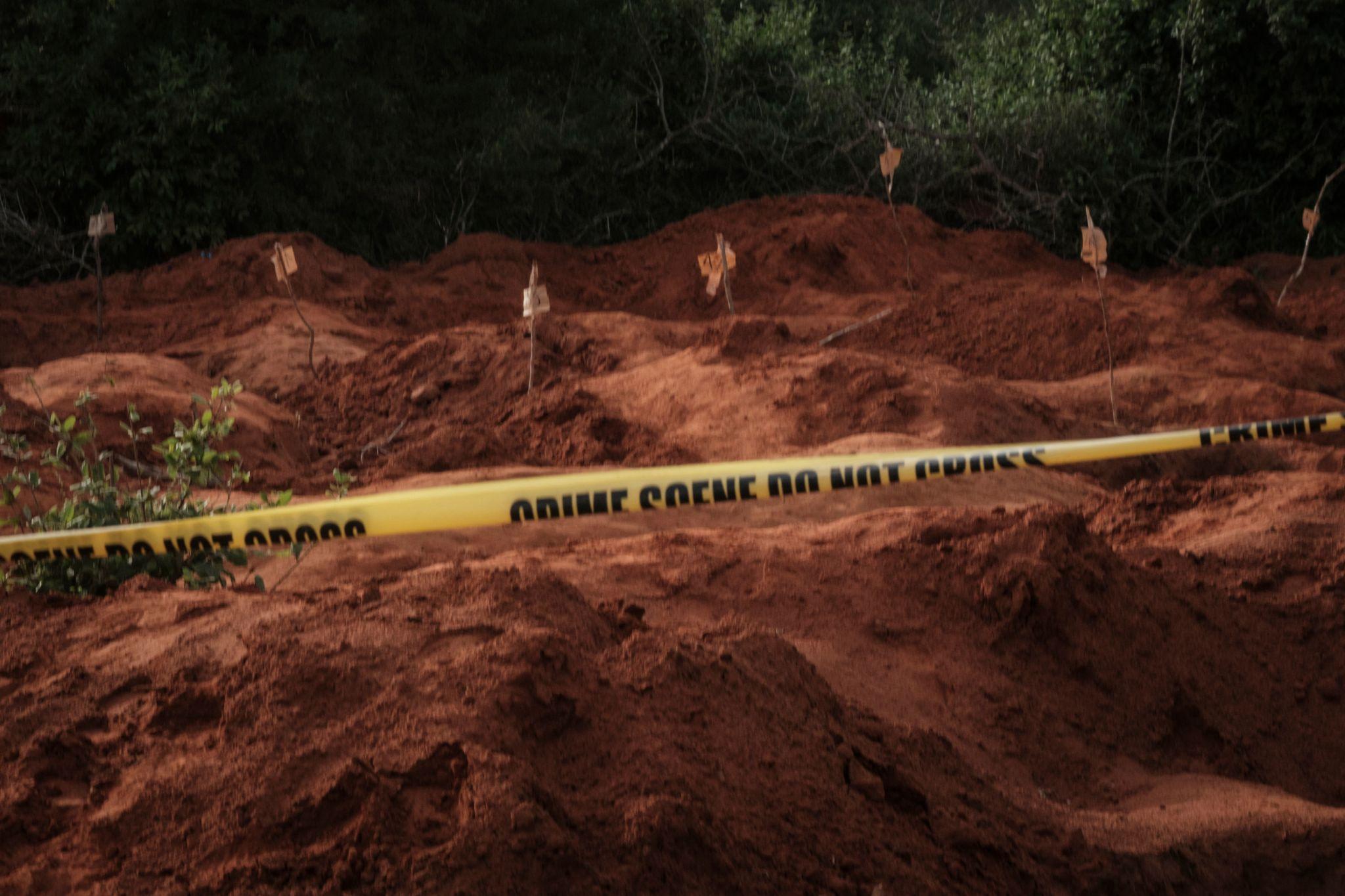
Buried in a mass grave.
Now in Kericho, the same method appears again.
Sacks.
Burial.
Silence.
And when the same details repeat across different places, something changes.
Coincidence fades. Pattern takes its place.
Patterns are not accidents.
Patterns are signatures.
They point—not just to what happened, but to how it happened.
And sometimes… to who might be behind it.
The Detail That Changes Everything
But then came something even more troubling.
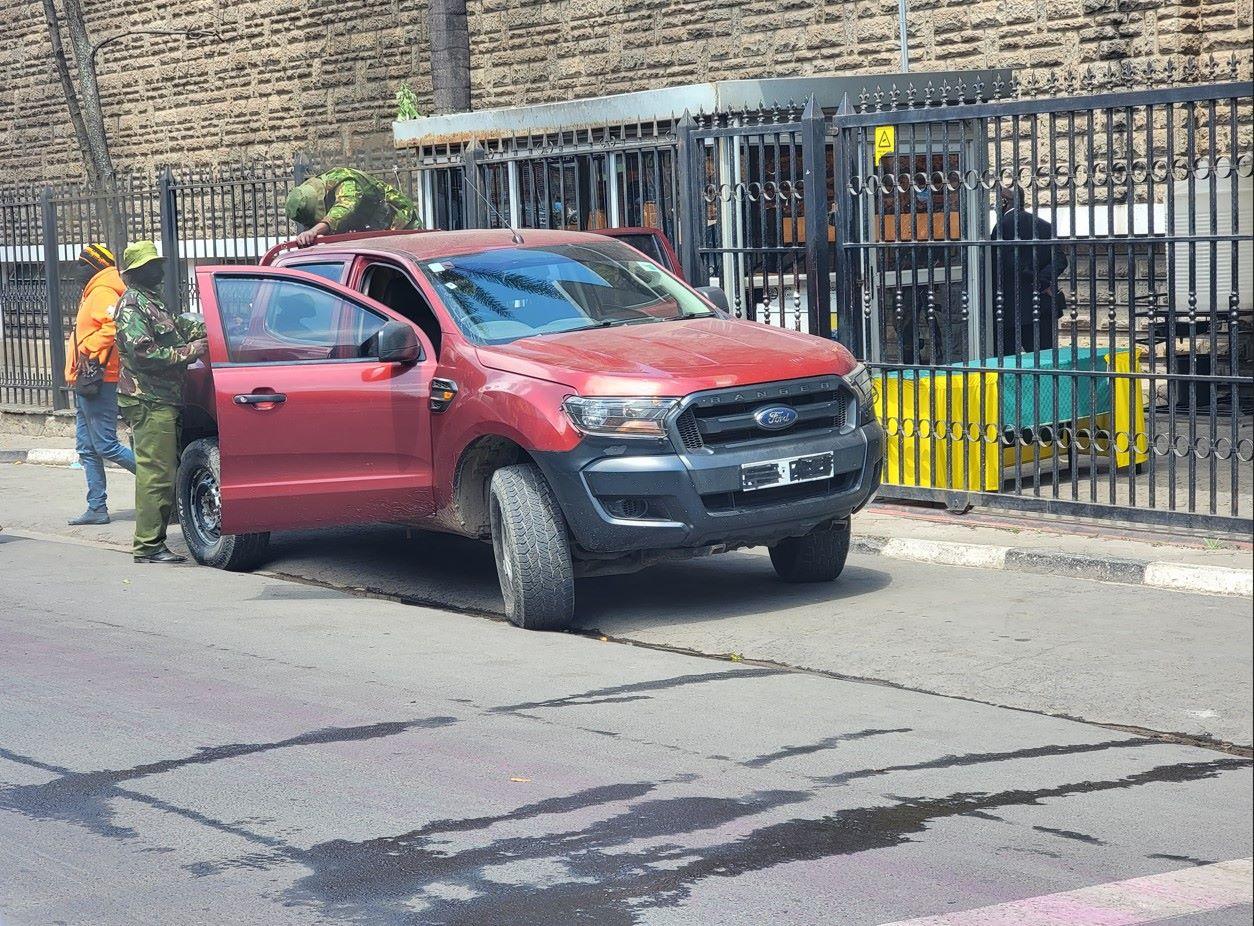
Street children in Kericho claim the vehicle that transported the bodies had a government (GK) number plate.
Pause there.
Because that single detail shifts the entire weight of the conversation.
If true, it introduces a deeply unsettling possibility:
That the machinery meant to protect… may somehow be entangled in what needs investigation.
Who Investigates the Investigator?
In any functioning system, there is a basic expectation:
When something goes wrong, the system investigates itself.
But what happens when the system itself becomes part of the question?
Justice has one rule: it cannot come from the suspect.
If the same police force being questioned is the one leading the investigation, then a difficult question arises:
Are we searching for truth…
or managing a story?
Because even the perception of conflict is enough to weaken trust.
And trust, once shaken, is hard to rebuild.
The Shadow of Movement
Then comes another layer—quiet, but deeply troubling.
Reports suggest that some of the bodies may have originated from Nyamira.
If that is true, it raises questions that cannot be ignored:
Why move bodies across counties?
Why transport them instead of leaving them where events occurred?
Why conceal them in sacks?
Movement without explanation is not logistics—it is intention waiting to be understood.
Because distance adds complexity.
And complexity often hides something.

The Human Faces Behind the Fear
It is easy to get lost in the analysis—the patterns, the systems, the questions.
But behind every discovery is a human story.
Someone who disappeared.
Someone who was searched for.
Someone who never came home.
And perhaps somewhere, families are still waiting—
not knowing that the answers they seek may already lie buried.
A nation is not shaken by numbers—it is shaken by the lives behind them.
The Cost of Silence
Silence, in times like these, is not neutral.
It creates space—for speculation, for fear, for mistrust.
Every unanswered question grows heavier.
Every delay deepens doubt.
And slowly, something dangerous begins to form:
A belief that truth may not come.
When silence fills the gap, fear writes the narrative.
The Case for Independent Scrutiny
This is why moments like this demand more than routine investigations.
They demand independence.
An investigative body that steps in when state agencies are implicated—or even perceived to be.
Not to replace institutions.
But to reinforce credibility.
Because truth is not just about finding answers.
It is about ensuring those answers are believed.
A Line Worth Remembering
When trust is buried, even the truth struggles to breathe.
A Nation at a Turning Point
Kenya now stands at a delicate moment.
Not defined by what has happened—but by how it responds.
Will it confront these questions openly?
Will it allow independent scrutiny?
Will it prioritize truth over comfort?
Or will it allow uncertainty to linger?
Because uncertainty is not harmless.
It spreads.
It deepens.
It reshapes how citizens see their own country.
The Fear We Don’t Say Out Loud
There is one thought that lingers—quietly, but persistently:
“Could anyone be next?”
It is not spoken of often.
But it is felt.
And no society should normalize that feeling.
The Final Reflection
This is no longer just about Kware.
Or Kericho.
Or Nyamira.
It is about something larger:
Whether truth in Kenya can stand firm—even when the questions point close to power.
Because in the end:
A country is not judged by the absence of darkness—but by how bravely it confronts it.
And right now, the questions are not going away.
They are waiting.
For answers.
Courtesy of https://x.com/sholard_mancity?s=20 in X (formerly Twitter)


